Hanoi, and is Ha Long possible?
Hanoi's lake and Old Quarter fit a long layover well. Ha Long Bay is another matter: the road there and back alone takes most of a day, so plan for an overnight at least.
- City
- Hanoi
- Airport to centre
- About 45 to 60 minutes by road
- Getting in
- Taxi or bus from Noi Bai
- Bring
- Passport, small cash, light rain jacket
Stopover note Leaving the airport usually needs a visa or e-visa arranged in advance, depending on your passport; allow for slow traffic back to Noi Bai.
Two questions come up about a Hanoi stopover. The first is what you can see in the city in a few hours, and the answer is: quite a lot, because the old centre is compact and walkable. The second is whether you can get to Ha Long Bay. The honest answer is that a normal layover is not enough, and this page explains why.
Leaving Noi Bai airport
Noi Bai International Airport is north of the city, across the Red River. There is no rail link. Taxis from the official ranks, ride-hailing cars and public airport buses all run to the centre; the road journey to the Old Quarter usually takes forty-five minutes to an hour, longer at rush hour.
The bigger question is entry. Vietnam has visa exemptions for some nationalities and an e-visa system for many others, but there is no general visa-free transit allowing you to leave the airport. Arrange any visa well before you travel, and check before you fly, because the rules have been revised several times.
- Under seven hours: stay at the airport.
- Seven to twelve hours: Hoan Kiem Lake and the Old Quarter, perhaps the Temple of Literature.
- Overnight or two nights: Hanoi properly, and Ha Long Bay becomes possible.
Hoan Kiem Lake
Hoan Kiem, the Lake of the Returned Sword, sits at the centre of old Hanoi, and a walk round it takes about half an hour. A legend tells of a fifteenth-century king who returned a magic sword to a golden turtle in the lake. On a small island to the north, Ngoc Son Temple is reached by the red-painted The Huc bridge; a modest entry fee applies.
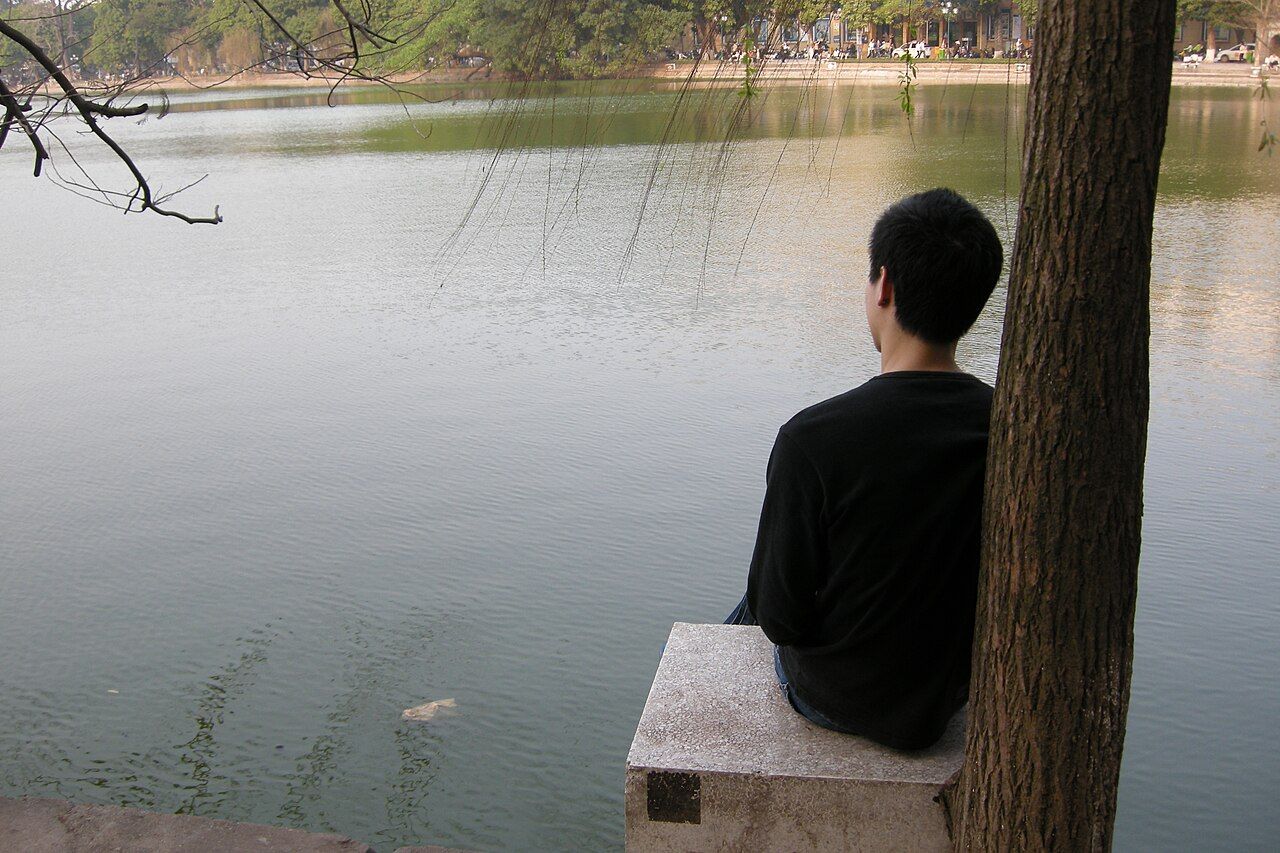

Early morning is the best time, when people come to exercise along the shore before work. On weekend evenings, the streets around the lake are usually closed to traffic and fill with families walking. Benches under the trees make good places to stop for a while.
On the eastern shore, the area around the lake holds a few French colonial buildings, and the Opera House is a short walk south-east. St Joseph's Cathedral, a neo-Gothic church a block west of the lake, is a useful landmark when you lose your bearings in the lanes. Both are fine to see from outside if time is short.
The Old Quarter
North of the lake, the Old Quarter is a grid of narrow streets, many still named for the trades once concentrated there: silk, paper, silver, herbs. Today the trades are mixed, but some streets keep their specialities, and the area is packed with small shops, street food and motorbikes.
The main skill is crossing the road. Walk at a steady pace, without sudden stops, and the traffic flows round you. Pavements are often used for parking and cooking, so you will walk in the street a lot.
Connecting city: Manila's walled city
Street food is the reason many people come. Noodle soups, grilled pork with rice noodles and sandwiches in baguettes are served at small stalls with low plastic stools; a busy stall is usually a good sign. Carry small notes; cards are not accepted at most stalls. Bottled water is cheap and easy to find.
The Dong Xuan Market building, at the northern end of the quarter, is a large covered wholesale market. It is worth a short look but not a long one on a stopover.
The Temple of Literature and beyond
About two kilometres west of the lake, the Temple of Literature was founded in the eleventh century as a temple to Confucius, and soon housed the country's first national university. Its walled courtyards, gates and stone stelae on the backs of turtles, recording the names of successful scholars, make a calm hour away from the traffic.
Further west, the Ho Chi Minh Mausoleum and the area around Ba Dinh Square have strict rules on dress and behaviour, short morning hours, and periodic closures. Hoa Lo Prison, near the centre, is a smaller museum on the site of the former colonial-era prison and fits easily into a layover.
Is Ha Long Bay possible?
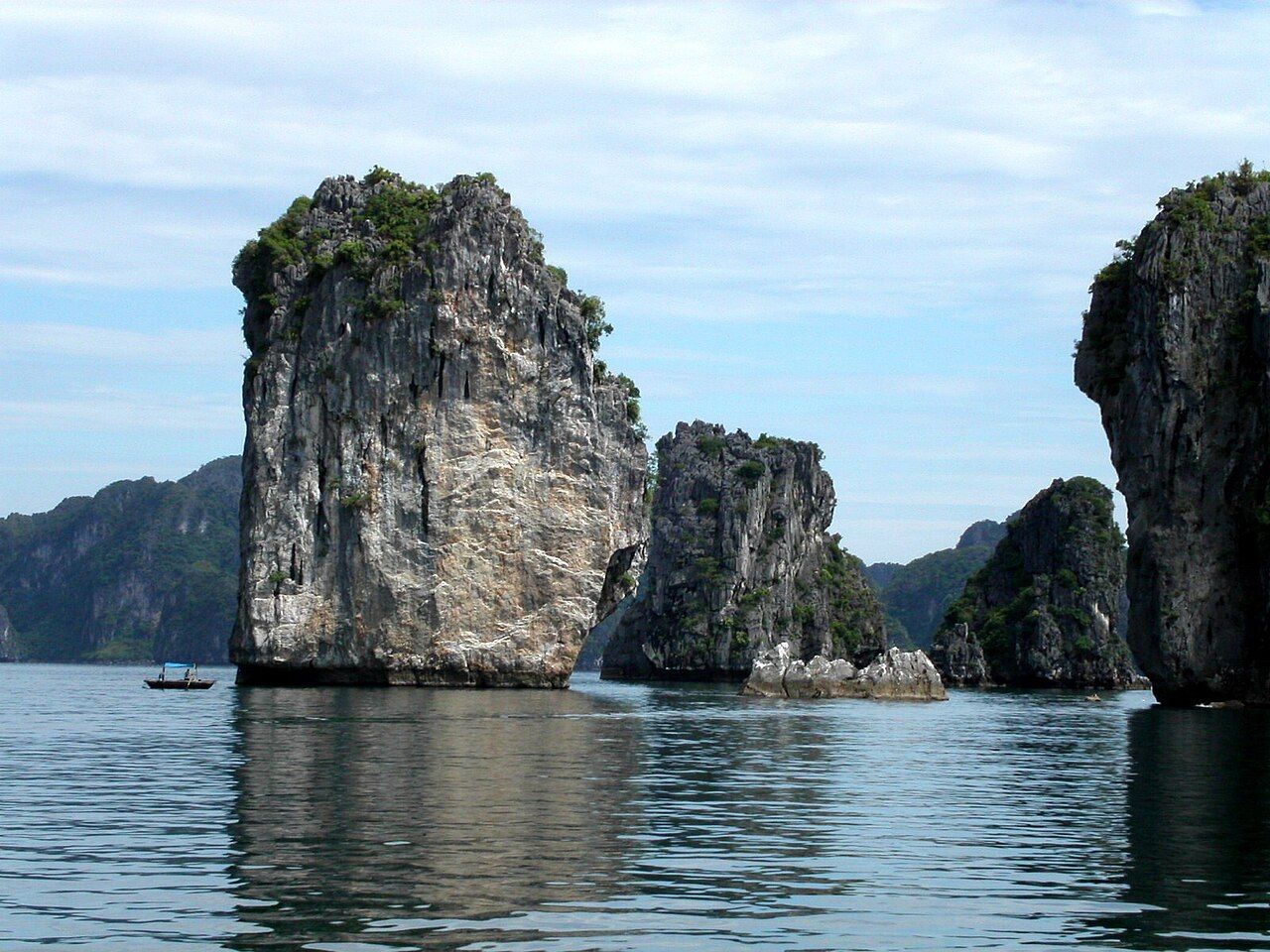
Ha Long Bay, a World Heritage Site in the Gulf of Tonkin, is famous for its thousands of limestone islands and pillars rising from the water. It is also much further from Hanoi than many travellers assume.
Even with the newer expressways, the road from Hanoi to the bay takes around two and a half to three hours each way, and from Noi Bai not much less. Add the boat trip itself, which needs at least four hours to reach the better-known parts of the bay, and a day trip from the city runs twelve hours or more. That leaves no margin for a flight.
In practice, Ha Long needs at least one night in Vietnam, and an overnight on the bay is what most people do. If your journey allows a stopover of two nights or more, it is possible. If not, see Hanoi properly and come back for the bay another time. Weather matters too: winter brings mist that hides the islands, and summer storms sometimes stop all boats.
Getting back
Allow at least an hour to reach Noi Bai, and leave earlier at rush hour or in heavy rain, and be at the airport three hours before an international departure. For a neighbouring hub with a similar feel, Ho Chi Minh City is a short flight south, and Bangkok is close by.
Next stop: Ho Chi Minh City in a day