Ho Chi Minh City in a day
Tan Son Nhat sits close to the centre, so even a long layover can reach the colonial post office, a serious museum, a market and the river.
- City
- Ho Chi Minh City
- Airport to centre
- About 30-60 minutes by road
- Getting in
- Taxi or bus from Tan Son Nhat
- Bring
- Light clothes, rain jacket, small notes in dong
Stopover note Vietnam's entry rules depend on your passport and change often; most visitors need a visa or e-visa to leave the airport.
Few big Asian hubs put the airport this close to the action. Tan Son Nhat International Airport lies inside the city, a short way north of District 1, and on a clear road you can be standing outside the cathedral within half an hour of leaving the terminal. The catch is the traffic, which can double that time at rush hour, and the paperwork, which decides whether you leave the airport at all.
Before you leave the terminal
Vietnam does not offer a simple walk-out transit for most travellers. Some passports are visa-exempt for a set number of days, many others need an e-visa arranged in advance, and the rules have shifted several times in recent years. Check before you fly, and do not count on sorting it out at the airport.
If you can enter, give yourself a rule of thumb: you need at least six or seven hours between flights for a worthwhile trip into the centre. Immigration queues can be slow at peak times, and you want to be back at the airport two to three hours before an international departure. With less time than that, stay airside.
- Money: withdraw a small amount of dong at the airport. Street vendors and market stalls rarely take cards.
- Getting in: metered taxis and ride-hailing cars wait outside arrivals, and public buses run into District 1 for a fraction of the price but take longer.
- Bags: if you have a checked-through bag, you carry only hand luggage. Otherwise look for left-luggage at the airport before you head out.
The colonial core around the cathedral
Start at the Notre-Dame Cathedral Basilica of Saigon, the red-brick church built by the French in the late nineteenth century with bricks shipped from France. It has been under a long restoration, so expect scaffolding and check whether the interior is open on the day you pass.
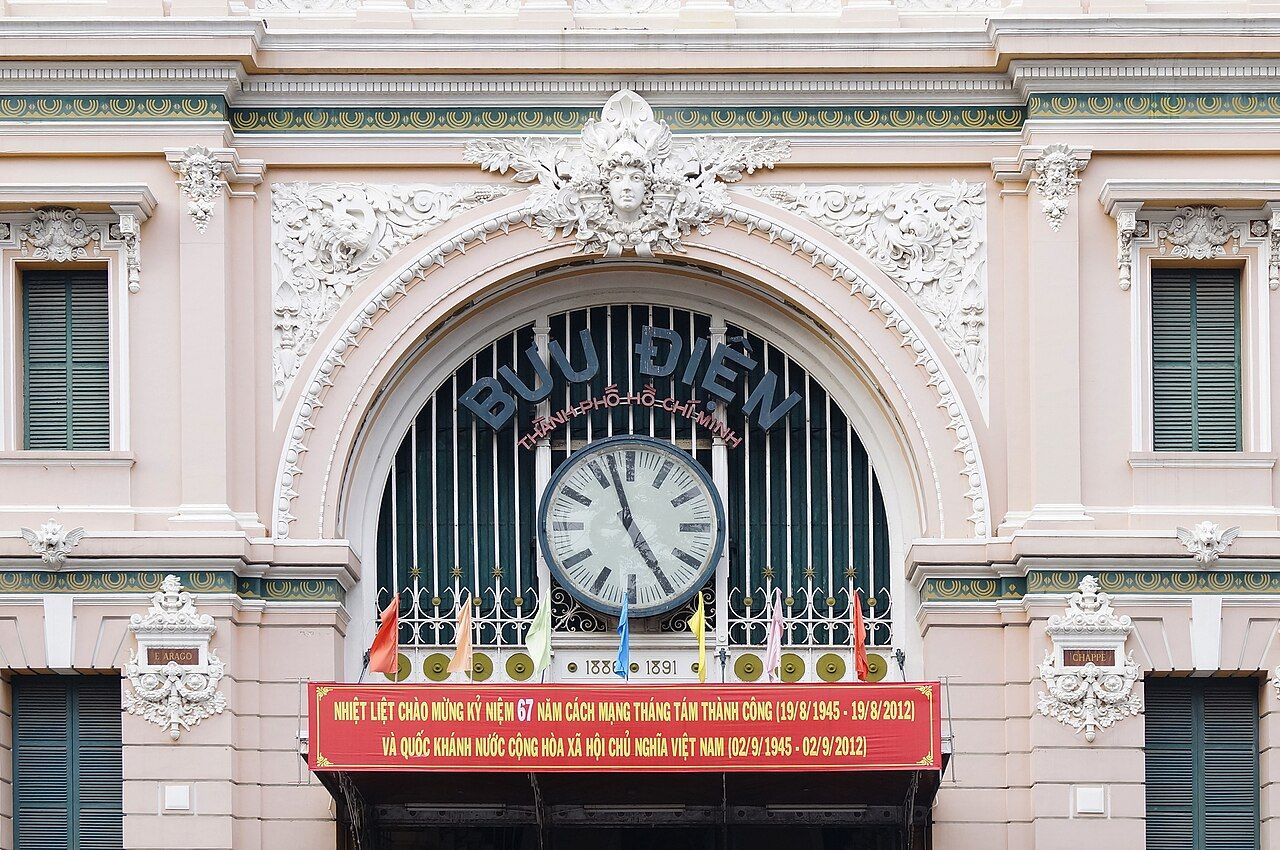
Directly across the square is the Saigon Central Post Office, still a working post office. Inside, the long vaulted hall with its iron frame, old maps painted on the walls and wooden booths is free to walk through. Buy a postcard and send it from the counter if you want a reason to linger.
From here, walk south along Dong Khoi street towards the river, or turn east to the Opera House and the broad pedestrian boulevard of Nguyen Hue. The boulevard runs down to the Saigon River and fills up in the evening when the heat eases.
The War Remnants Museum
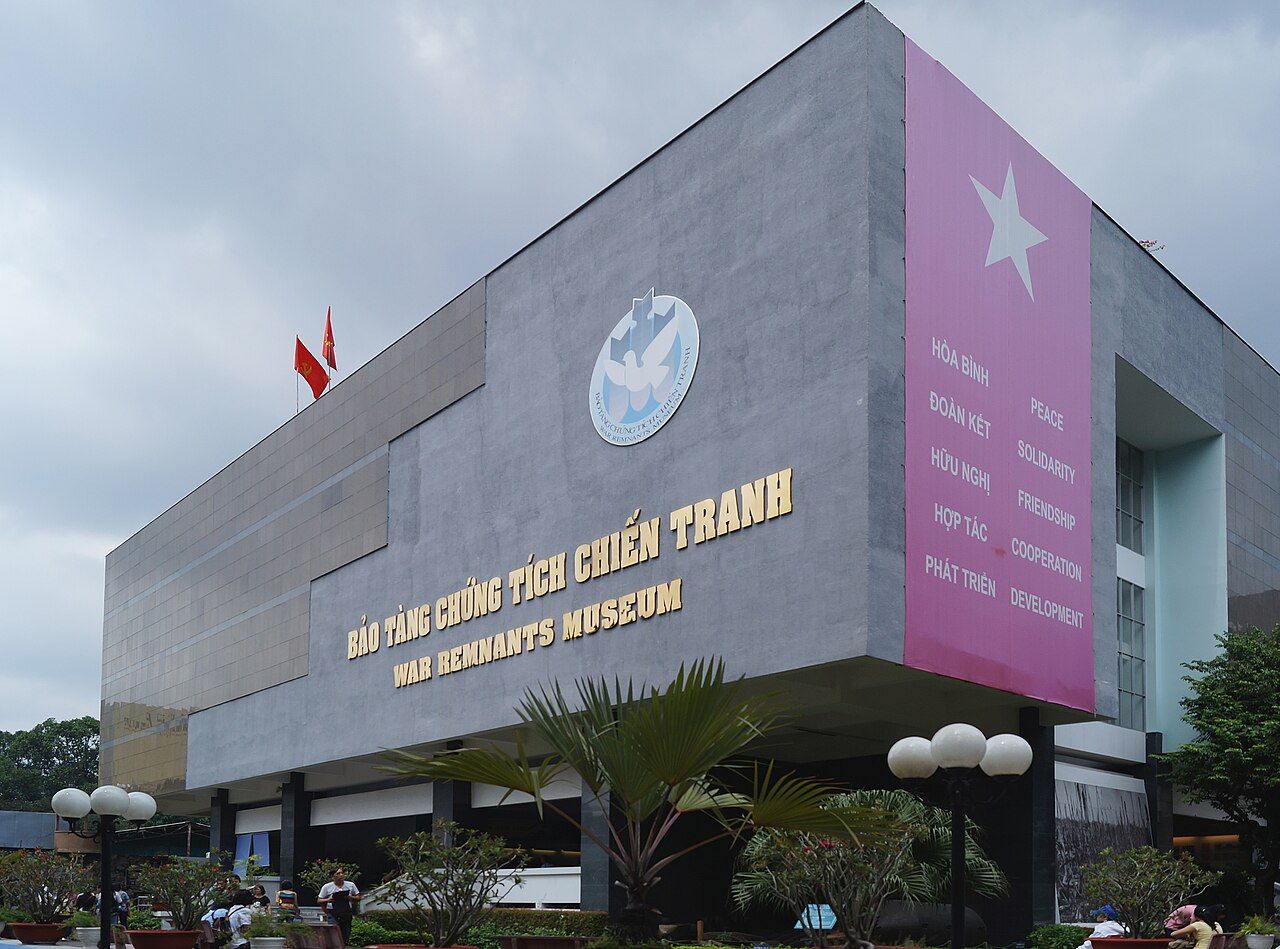
A ten-minute walk west of the cathedral, the War Remnants Museum is the stop most people remember. It covers the war with the United States and its aftermath through photographs, documents and military hardware parked in the courtyard. Some galleries, especially those on the effects of chemical defoliants, are hard to look at, and the presentation reflects the official Vietnamese view of the conflict. Give it an hour to ninety minutes.
The museum closes for a break around midday on some days and shuts by late afternoon.

Close by is the Independence Palace, also called the Reunification Palace, the 1960s government building where the war ended in 1975. Its preserved meeting rooms, bunker and rooftop helipad make a good contrast with the museum, and it sits inside a large green park. If you only have time for one, choose the museum; if you have a full day, do both.
Connecting city: Hanoi, and is Ha Long possible?
Ben Thanh and the markets
Ben Thanh Market, with its clock tower over the main gate, sits at the southern end of Le Loi boulevard. Inside are fabric, coffee, dried goods, souvenirs and a cluster of food stalls in the middle. Prices for visitors start high, and bargaining is expected for anything that is not food.
The market is also a transport hub. The city's first metro line runs east from an underground station near the market, which is useful if you want to see the newer side of the city, though it does not reach the airport. Around the market, the side streets of District 1 are full of small places selling pho, broken rice and banh mi from early morning.
On the river
The Saigon River curves past the east side of District 1. The waterfront at Bach Dang has a park and a pier where a public river bus runs upstream towards Thu Duc. A one-way trip and a ride back by taxi is a cheap way to see the skyline from the water, though services can be cut or changed.
Across the river, the new district of Thu Thiem is mostly open space and towers. Unless you are curious about urban planning, you can skip it on a short stop.
What to skip, and what to watch
The Cu Chi tunnels are the most popular day trip, but the drive alone is at least ninety minutes each way in normal traffic. With fewer than twelve hours on the ground, leave them for another trip. The same goes for the Mekong Delta, which needs a full day at the very least.
Traffic is the thing to plan around. Motorbikes fill every road, crossing the street takes a calm, steady walk rather than a dash, and the road back to Tan Son Nhat clogs badly in the late afternoon. If your flight leaves in the evening, start back earlier than seems necessary. Afternoon storms in the wet season, roughly May to November, can also slow everything down for an hour.
For a comparison with another stopover where the airport is close to an old colonial centre, see how a short visit to Manila's walled city works, or, if you are heading north, the guide to a day in Taipei in a day for a city with a fast airport train.
Next stop: Bangkok by river and rail