Hong Kong harbour to peak
Few cities are as easy to reach from the airport. The rail link, the Star Ferry and the Peak make a layover that covers both sides of Victoria Harbour and a view over it.
- City
- Hong Kong
- Airport to centre
- About 25 minutes by Airport Express
- Getting in
- Airport Express to Kowloon or Central
- Bring
- Stored-value transit card, umbrella, light jacket for the Peak
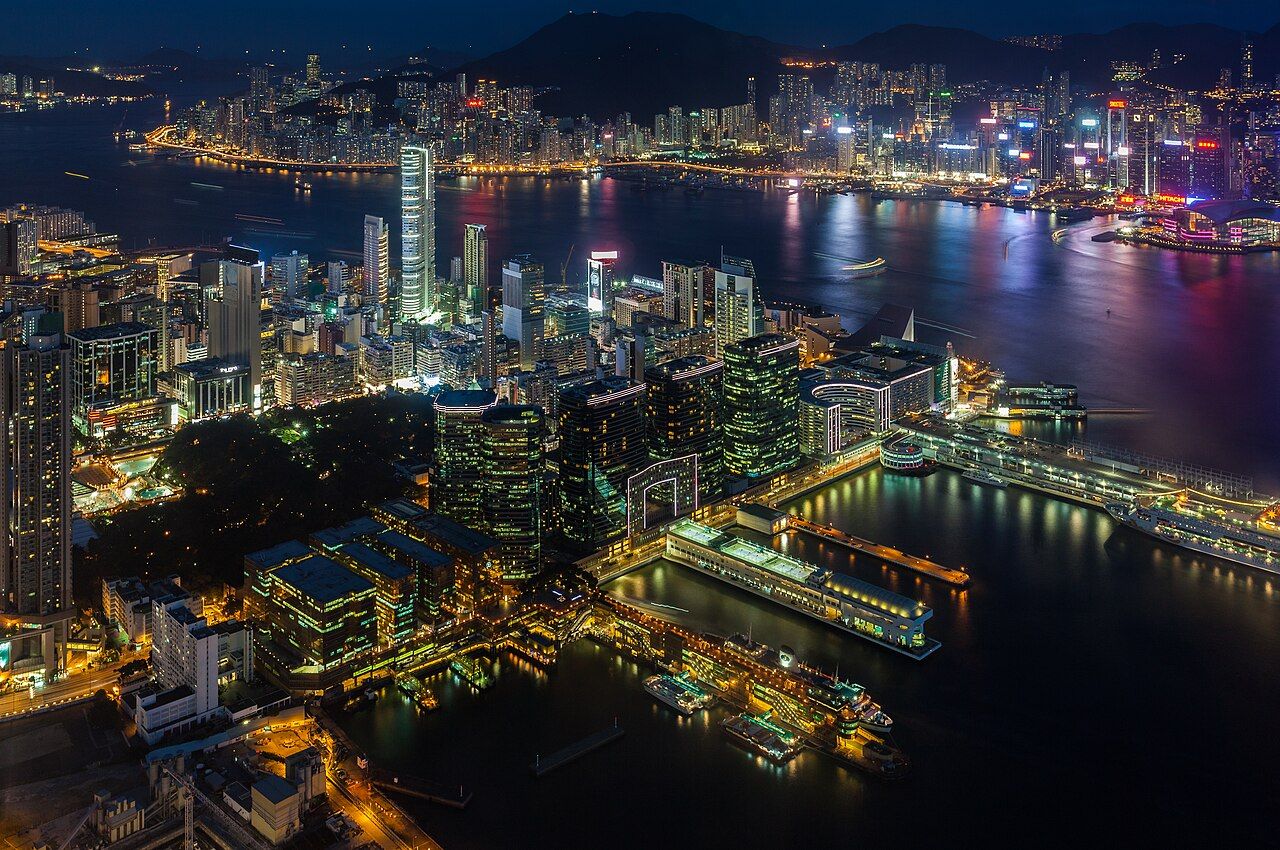
Stopover note Many nationalities enter visa-free for short stays. Some airlines offer in-town check-in at the Airport Express stations, which frees you of bags.
Hong Kong may be the best city in Asia for a short stopover. The airport is linked to the centre by one of the region's fastest rail links, the city is dense and walkable, and the harbour ties everything together. In six hours you can cross Victoria Harbour by ferry, ride up to the Peak and walk through Kowloon, and still be back in good time.
Getting in from the airport
Hong Kong International Airport sits on reclaimed land off Lantau Island. The Airport Express runs from the terminal to Kowloon station in about twenty minutes and to Hong Kong station in Central in about twenty-five, with trains every ten minutes or so through the day. At both city stations you connect to the MTR network.
The best trick for a layover is in-town check-in. Some airlines let you check in and drop bags at Hong Kong or Kowloon station on the day of departure, usually from several hours before the flight. If yours does, you can spend the final hours in the city with nothing to carry. Check whether your carrier offers it and what the time limits are before you plan around it.
Many passports can enter Hong Kong visa-free for periods from a week to several months, but the rules are set by nationality. Check before you fly. The airport has left-luggage facilities in the arrivals hall if in-town check-in is not available.
The Star Ferry across the harbour
The Star Ferry has carried passengers across Victoria Harbour since the late nineteenth century. Its green-and-white boats run between Tsim Sha Tsui on the Kowloon side and Central or Wan Chai on Hong Kong Island, and the crossing takes under ten minutes. The fare is low and payable with a transit card. Sit on the upper deck and on the side facing the island skyline as you leave Kowloon.
From the Tsim Sha Tsui pier, the waterfront promenade runs east past the Hong Kong Cultural Centre and the Clock Tower, the only part left of the old Kowloon railway terminus. The view across to the island is at its best in the evening, when the towers are lit.
If you land at Hong Kong station instead, Central is worth an hour before you cross. The double-decker trams that run along the north shore of the island are slow, cheap and give a good view from the upper deck. Uphill from Central, the long chain of covered outdoor escalators towards the Mid-Levels carries you past steep lanes and small shops, and on Hollywood Road, Man Mo Temple, dedicated to the gods of literature and war, is a quiet, smoky interior hung with giant incense coils. It is a working temple; keep your voice low and your camera discreet.
The ferry piers on the island side sit in front of a broad waterfront promenade, so you can walk from the Central pier towards the Peak Tram terminus at Garden Road in around fifteen minutes, mostly through public walkways above the traffic.
Up to the Peak
Victoria Peak is the obvious viewpoint, and with reason. From the top, Central's towers drop away below you to the harbour and the hills of Kowloon behind. The Peak Tram climbs the steep hillside from Garden Road in Central; queues at the lower terminus can be long at weekends and in the evening. Buses and taxis also go up, and the bus is usually quicker on a busy day.
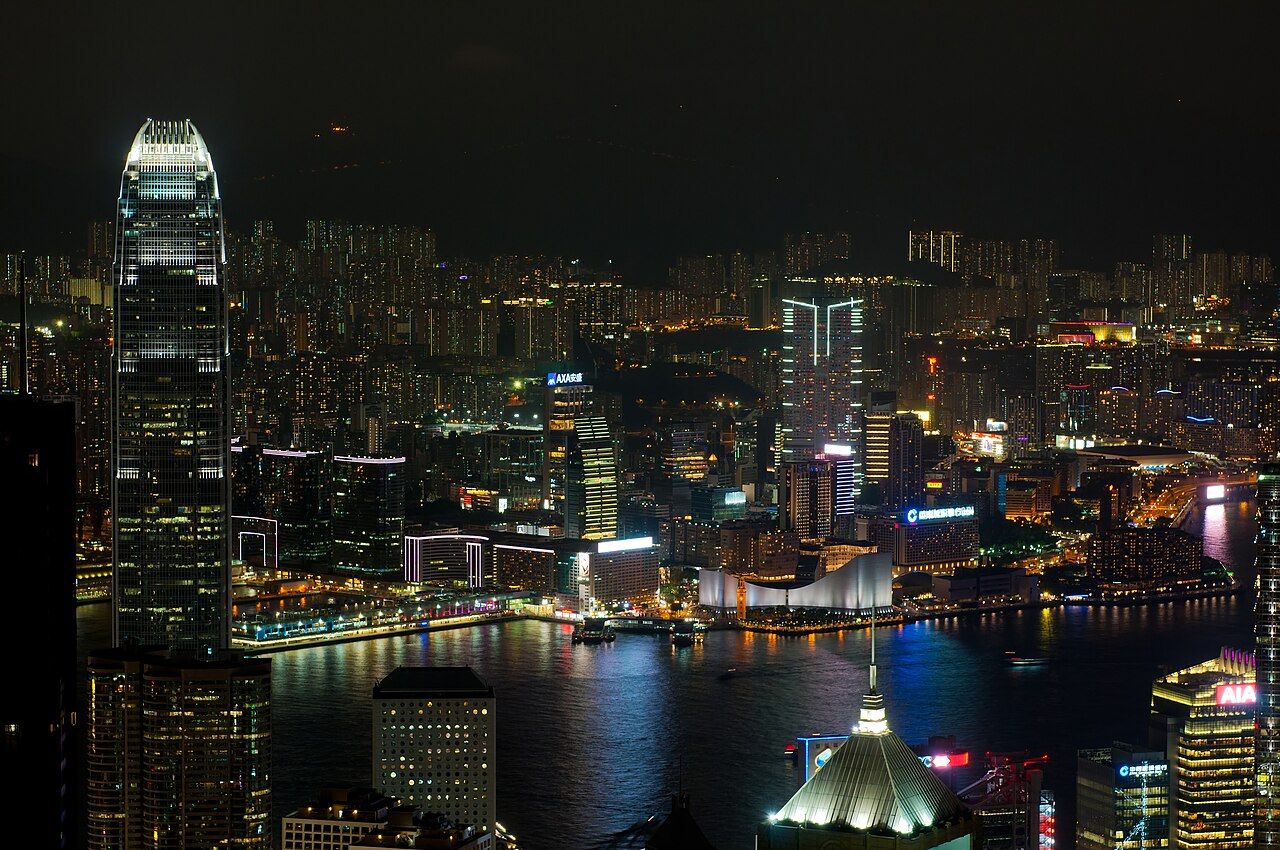

Once at the top, walk the circular path around the summit area, Lugard Road and Harlech Road. It is flat, mostly shaded, and takes about an hour, with the best harbour views along the Lugard Road section. It is a better use of time than the paid viewing decks.
The Peak is often in cloud, especially in spring. If the summit is hidden, skip it and spend the time at sea level.
Connecting city: Taipei in a day
Kowloon streets
Back on the Kowloon side, Nathan Road runs north from Tsim Sha Tsui through Jordan and Yau Ma Tei to Mong Kok, and the streets on either side hold most of what makes Hong Kong distinctive at street level. The Temple Street night market sets up in the evening around the Tin Hau temple in Yau Ma Tei. Further north, Mong Kok has streets of specialised markets, flowers, goldfish and birds among them.
The MTR Tsuen Wan line runs under Nathan Road, so you can walk one way and ride back. For a quieter hour, Kowloon Park near Tsim Sha Tsui is a green break among the towers.
Go up in daylight, come down after dark, and cross the harbour by boat.
On a clear evening, the order matters. Go up in daylight, come down after dark, and cross the harbour by boat. Ride up in the late afternoon, walk the summit path as the lights come on below, then take the Star Ferry over to Kowloon and finish among the street markets.
A plan that fits
| Time in the city | Route |
|---|---|
| Four hours | Airport Express to Central, Star Ferry to Tsim Sha Tsui, the promenade, back from Kowloon station |
| Six to eight hours | Add the Peak, timed for late afternoon, and a walk up Nathan Road |
| Overnight | Add the Temple Street market, and a morning tram ride along the north shore of the island |
A stored-value transit card works on the MTR, buses, trams and ferries. They are sold at the airport. Food is everywhere: noodle shops, roast-meat counters and dim sum halls, with set meals at lunchtime that are quick and good value.
Keep the pace realistic. Hong Kong is steep and crowded, and the walk between two points that look close on a map often involves stairs, footbridges and underpasses. Distances on the island side feel longer than they are, and summer humidity tires you quickly, so build in a sit-down every couple of hours. Public toilets are common in MTR stations and parks.
What to skip, and getting back
Skip Lantau's big seated Buddha and Disneyland on a layover. Despite being near the airport, both take longer than they look once you count queues. Skip shopping-centre districts too; they look much the same anywhere.
The heat and humidity in summer are heavy, and typhoon season, roughly from late spring to autumn, can disrupt ferries and flights at short notice. Watch the forecast and the airline's notices.
The Airport Express makes the return simple, but leave a margin. Aim to be at the airport two to three hours before an international departure, or less if you checked in in town. If you are deciding between hubs, a stop in Singapore offers a similar ease of travel in a hotter climate, while Shanghai asks more at the border.
Next stop: Manila's walled city