Shanghai from the Bund
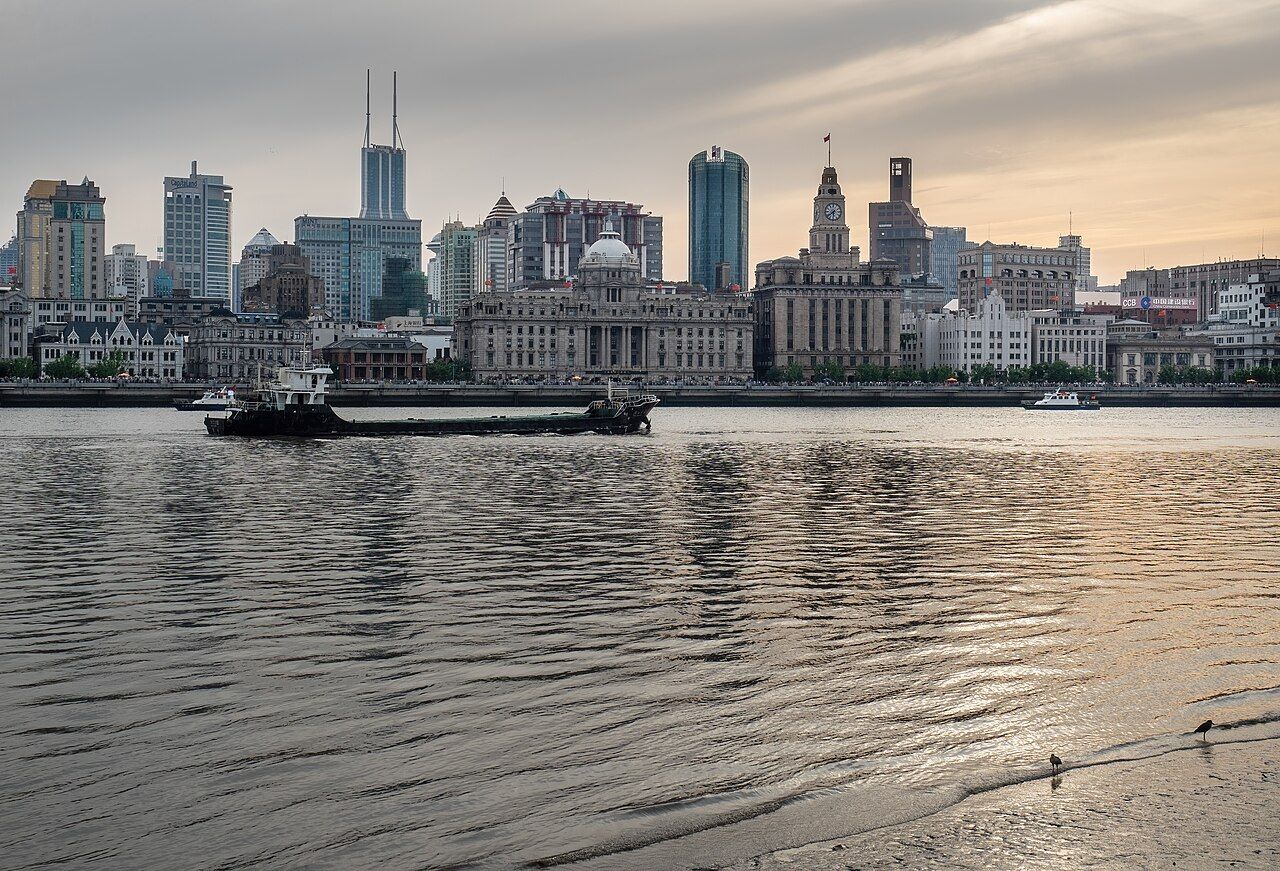
The Bund's old waterfront faces the towers of Pudong across the Huangpu. With the right entry permission and a clear plan, a layover covers both banks and the Old City.
- City
- Shanghai
- Airport to centre
- About an hour from Pudong
- Getting in
- Maglev and metro from Pudong
- Bring
- Passport, onward ticket, a payment method that works locally
Stopover note Visa-free transit schemes cover many nationalities but have strict conditions on routing and onward travel; carry proof of your onward booking.
Shanghai rewards a stopover more than most hub cities, because its best-known sights sit close together along one river. The Bund, the old riverfront of banks and trading houses, looks straight across the Huangpu at the towers of Lujiazui in Pudong. A short walk south of the Bund, the Old City holds Yu Garden and a maze of lanes. With a clear plan, you can see all three in an afternoon and evening.
Can you leave the airport?
This is the first question, and the answer depends on your passport, your routing and the rules in force when you travel. China runs visa-free transit schemes for many nationalities. They generally require a confirmed onward ticket to a third country or region, not back to where you came from, and limit where in the country you may go and for how long. China has also offered visa-free short stays to some nationalities outright.
These rules have changed several times in recent years and come with conditions that catch travellers out. Check the current terms for your passport and itinerary before you fly, tell your airline at check-in that you plan to use transit entry, and carry printed proof of your onward flight. At the airport, look for the dedicated transit-entry lane at immigration.
Pudong airport to the river
Most long-haul flights use Shanghai Pudong International Airport, east of the city. The Maglev train runs from the airport to Longyang Road station in about eight minutes at very high speed; from there, Metro Line 2 carries you west under the river towards the Bund. Line 2 also runs directly from the airport, which is slower but avoids the change. Taxis are plentiful from the official rank outside arrivals, and the road journey varies widely with traffic. Allow around an hour either way to reach East Nanjing Road station, the closest to the Bund.
Hongqiao Airport, on the west side, handles mostly domestic and some regional flights and is much nearer the centre. Transfers between Hongqiao and Pudong take well over an hour, so a connection between the two is not a layover in the usual sense.
Payments are worth sorting out before you land. Mobile payment dominates daily life, and while foreign cards are now accepted in more places, small vendors may not take them. Carry some local cash as a backup.

The Bund and the river crossing
The Bund runs for about a kilometre and a half along the west bank of the Huangpu. The raised promenade gives you the full skyline of Lujiazui on one side and a long line of early twentieth-century buildings on the other: banks, a customs house with its clock tower, and former hotels in granite and stone. It is busiest in the evening, when both banks are lit, and quietest early in the morning, when people come to exercise along the water.
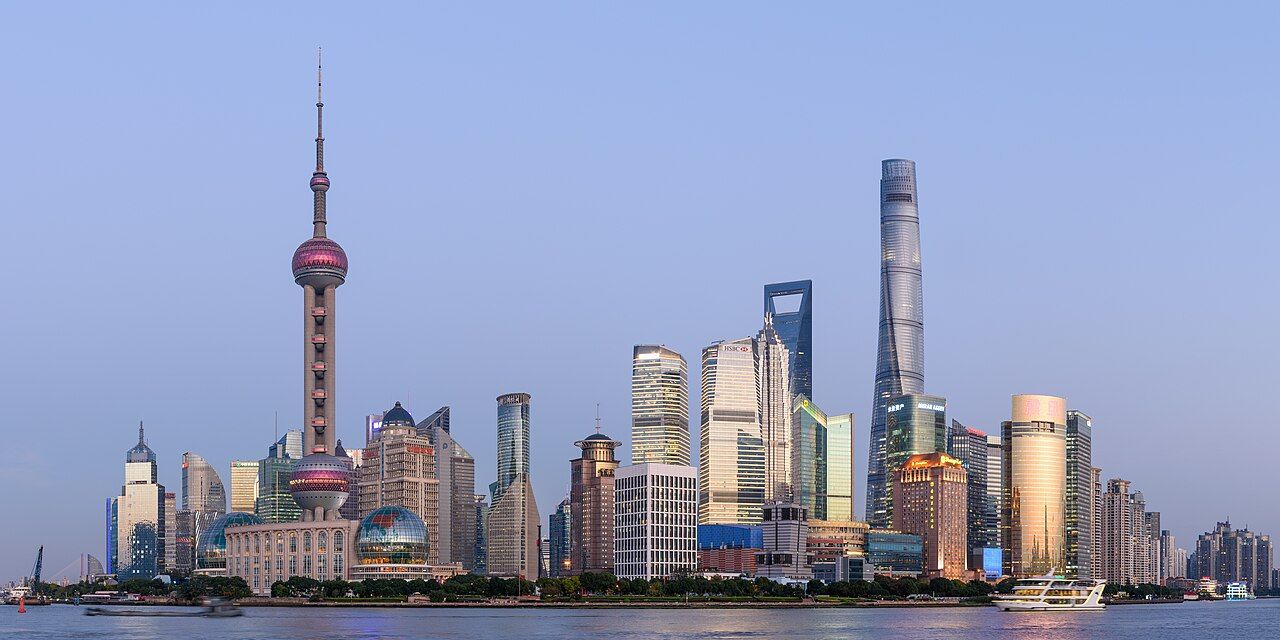

To cross, use the public ferry from the jetty at the southern end of the Bund. The ride is short, cheap and gives a better view of both banks than the tourist tunnel. On the Pudong side, the riverside walkway in Lujiazui is a good place to look back at the Bund. The observation decks in the supertall towers are an option if the sky is clear, but queues and haze can make them a poor use of limited time.
Whichever you choose, the river matters more than the towers. Walk the Bund once in daylight and once after dark if your layover allows it.
At the northern end, the steel Waibaidu Bridge crosses Suzhou Creek where it meets the Huangpu, with more early twentieth-century buildings on the far side. Heading inland from the middle of the Bund, East Nanjing Road becomes a long pedestrian street lined with department stores and neon. It is busy, loud and useful mostly as the quickest walk between the river and People's Square.
Connecting city: Hong Kong harbour to peak
Walk the Bund once in daylight and once after dark if your layover allows it.
Yu Garden and the Old City
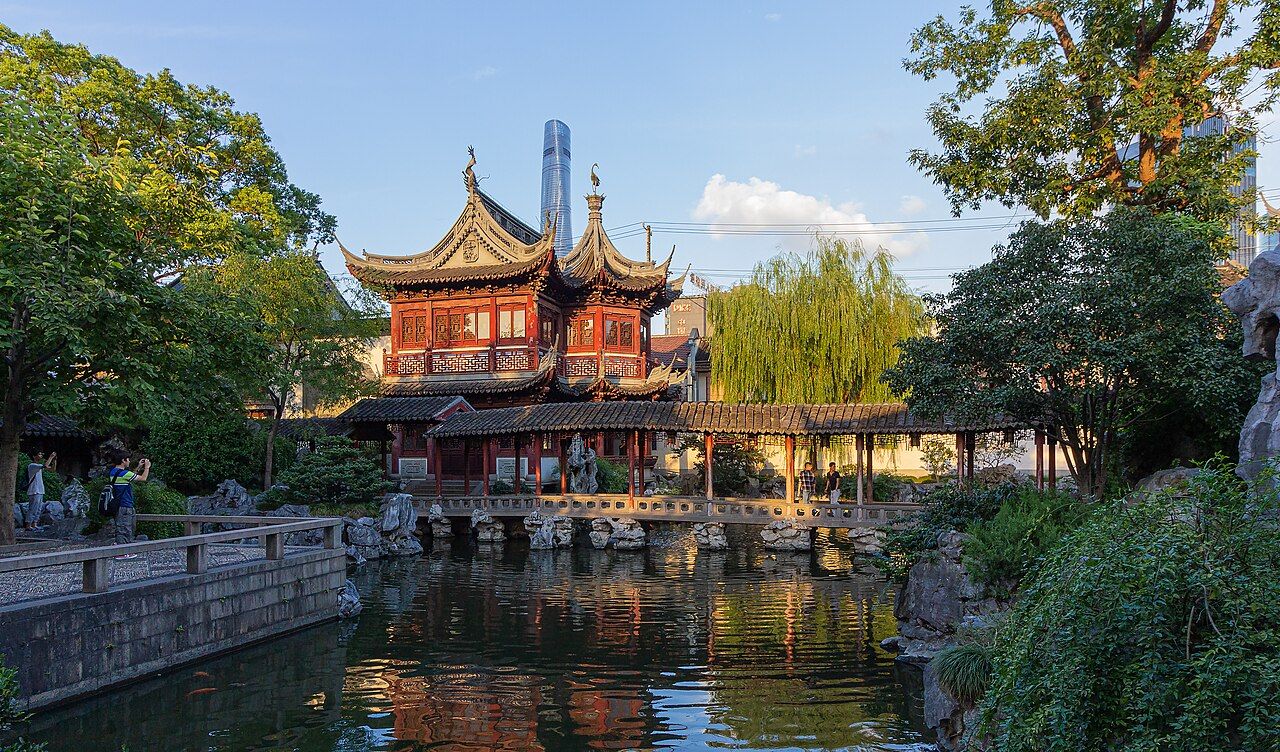
The Old City, a short walk south-west of the Bund, was once enclosed by walls; their line is still traced by a ring of roads. At its heart is Yu Garden, a classical private garden laid out in the sixteenth century, with rockeries, ponds, pavilions and walls pierced by moon gates. It is small and can be crowded, but it is a genuine garden of its type and the detail rewards slow walking.
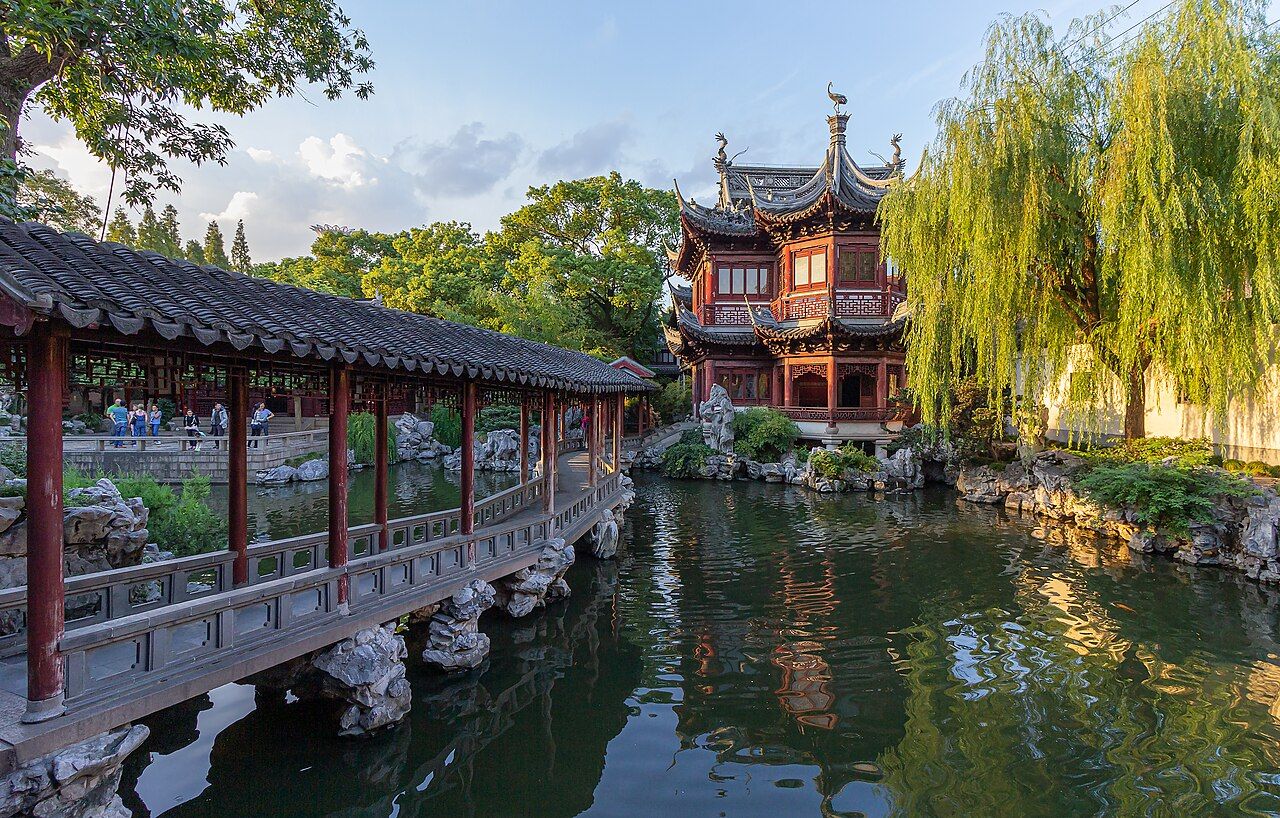

Around the garden is a busy bazaar of rebuilt traditional-style buildings, the City God Temple and the zigzag bridge over a pond, all heavily visited. Allow about an hour for the garden itself, which keeps daytime hours and closes on some days, and longer if you want to wander into the residential lanes nearby, where everyday life carries on.
Shanghai's weather shapes a layover more than people expect. Summers are hot and humid, with heavy rain in early summer, and winters are damp and chilly. The milder months of spring and autumn are the easiest. Haze can blur the skyline on some days, and typhoons occasionally bring rain and wind in late summer.
A plan that fits
| Time in the city | Suggested route |
|---|---|
| Four to five hours | The Bund promenade, the ferry across and back, a meal near East Nanjing Road |
| Six to eight hours | Yu Garden in the afternoon, walk to the Bund for sunset, ferry across to Lujiazui |
| Overnight | Add the Shanghai Museum on People's Square and a walk through the former French Concession |
The Shanghai Museum, with collections of bronzes, ceramics and painting, is on People's Square a short way inland. Its exhibitions are strong, but timed entry and queues mean it suits a longer stay. The plane-tree streets of the former French Concession, further west, are pleasant for a walk but take you away from the river.
What to skip, and getting back
Skip water towns such as Zhujiajiao and Zhouzhuang on a layover. They are a long road trip each way and the return is unpredictable. Skip the far suburbs, and anything that means crossing between Pudong and Hongqiao airports.
Allow plenty of time for the trip back to Pudong. Metro Line 2 to the airport is slower than people expect, and you should be at the terminal three hours before an international departure: immigration on the way out can be slow, especially for transit-entry passengers.
If your journey continues around the region, compare this with a stop in Hong Kong, where entry is simpler for many travellers, or Seoul to the north-east. Shanghai asks more of you at the border, but the river and the Bund make it worth the effort.
Next stop: Taipei in a day