Jakarta's old town and harbour
Soekarno-Hatta is far from the centre and the roads are slow, so a Jakarta stopover means choosing one area: the old Dutch town and its harbour, or the monument.
- City
- Jakarta
- Airport to centre
- About 1-2 hours by road
- Getting in
- Airport train, then KRL or taxi
- Bring
- Light clothes, umbrella, patience for traffic
Stopover note Jakarta's traffic can turn a 40-minute ride into two hours. Leave the city early, and have any visa-on-arrival or e-visa sorted before landing.
Jakarta is not an easy stopover. Soekarno-Hatta International Airport lies west of the city, the roads are among the most congested in Asia, and the sights are spread out. But with a long layover and modest goals, you can see the part of the city where it all began: the old Dutch quarter of Kota Tua and the harbour of Sunda Kelapa, with the National Monument as a second option.
Is it worth leaving the airport?
Indonesia offers a visa on arrival, or an electronic version of it, to many nationalities, and some passports are exempt. If you can enter, you realistically need eight hours or more between flights. Immigration can take a while, and you want to be back at the airport three hours before departure, since getting back is the part you cannot control.
- The airport train runs from the terminals towards central Jakarta, with connections to the city's KRL commuter trains. It avoids the toll road traffic, but trains run only every half hour or so.
- Taxis and ride-hailing cars are easy to find. In light traffic, the old town is around forty minutes away; in heavy traffic, two hours is not unusual.
- Soekarno-Hatta's terminals are linked by a free Skytrain. Check which terminal your onward flight uses.
Kota Tua: the old Dutch town
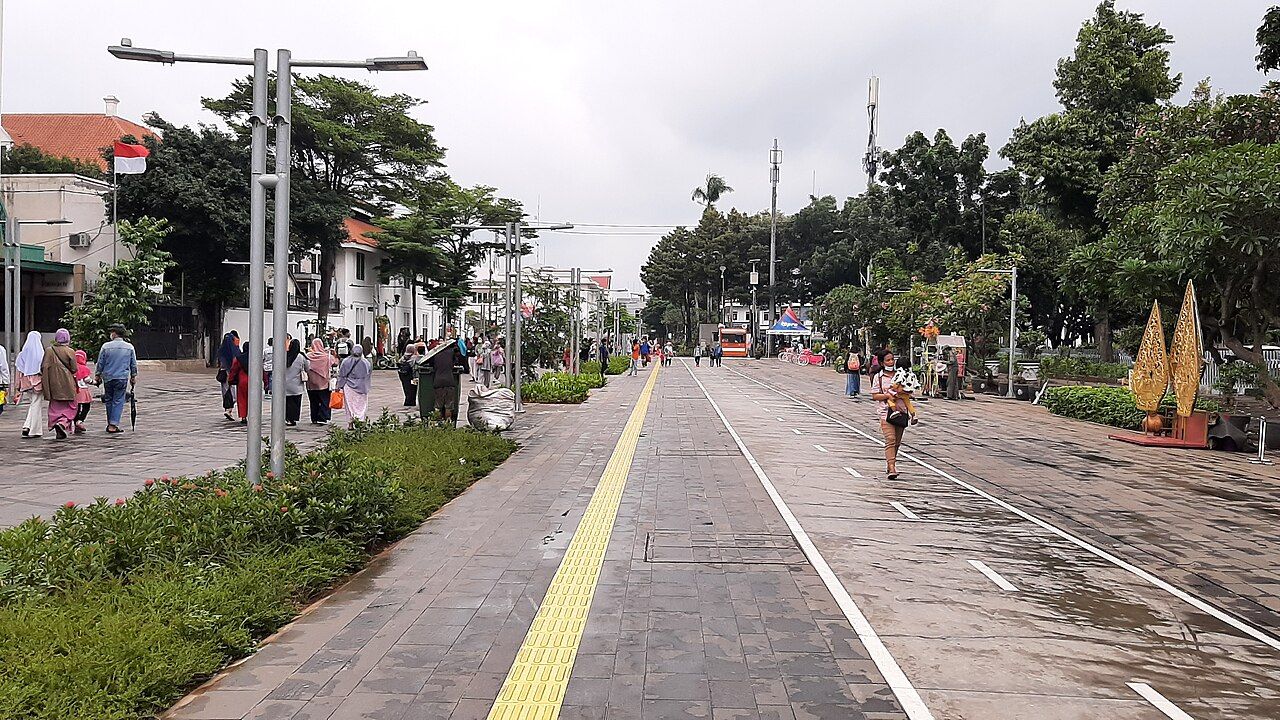
Kota Tua, the old town, was the centre of Batavia, the Dutch East India Company's headquarters in Asia from the seventeenth century. Much of it is now a pedestrian zone around Fatahillah Square, a cobbled plaza with a fountain in the middle and colonial buildings on all sides.
On the south side of the square, the old city hall now holds the Jakarta History Museum. Its rooms of heavy colonial furniture and its dungeons tell the story of the city from its beginnings. The Wayang Museum, with puppets from across Indonesia and beyond, is on the west side, and the Fine Art and Ceramics Museum is to the east. Each needs about an hour; pick one if your time is short, and check opening days, since most museums close on Mondays.
The square comes alive in the late afternoon and at weekends, when families hire brightly painted bicycles and street performers set up. On a weekday morning, it is quieter and cooler. Many of the surrounding buildings are still being restored, and some are empty shells, so the area feels part museum, part work in progress.
Kota Tua is easy to reach by rail: Jakarta Kota station, a fine art deco terminus, is a short walk from the square, and KRL trains run there from across the city.
Connecting city: Manila's walled city
Sunda Kelapa, the old harbour
A short ride or a twenty-minute walk north of the square brings you to Sunda Kelapa, the old port of Jakarta. It is still a working harbour, where traditional wooden cargo schooners, the pinisi, tie up side by side along the quay to load and unload. The long row of high prows is a scene that has changed little in a century.
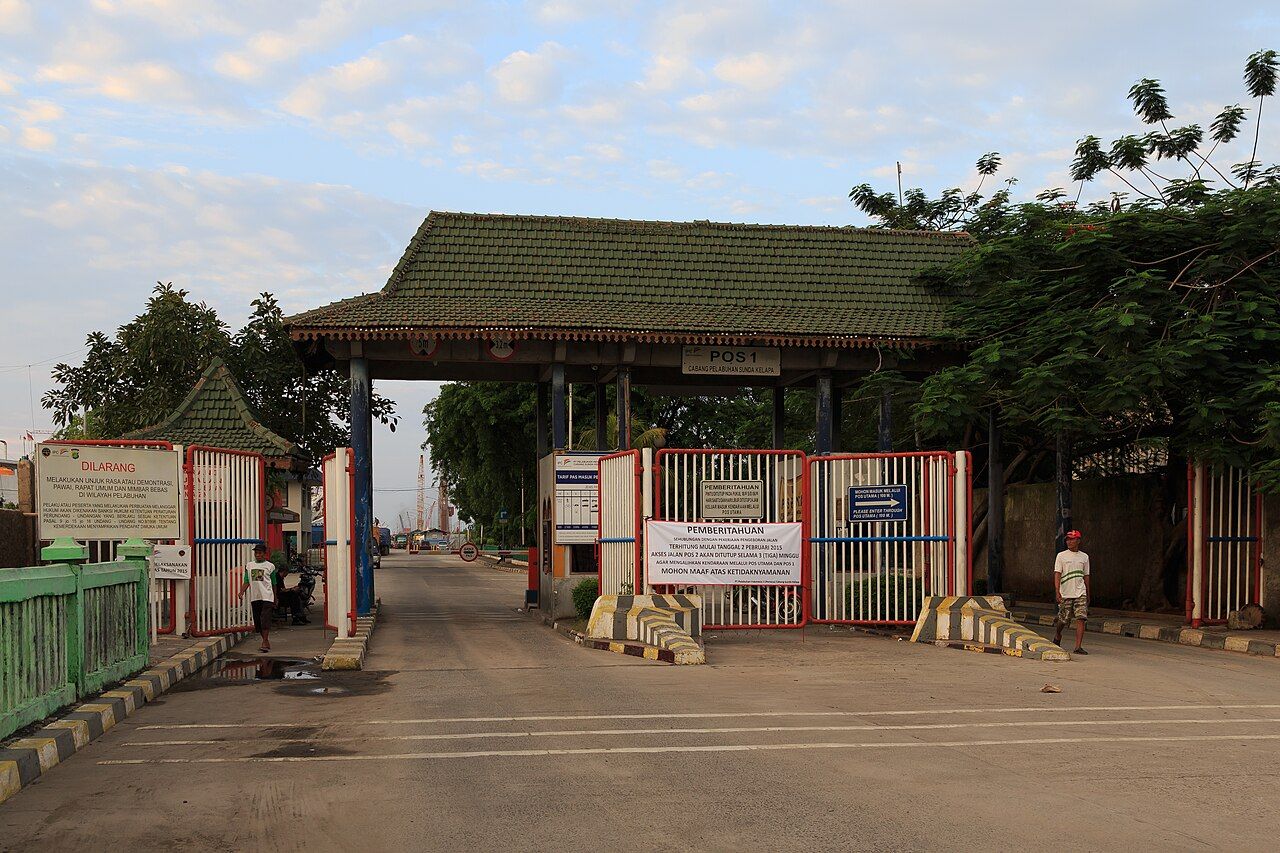

Access to the quay is through a gate and is sometimes restricted. Be careful on the quay itself, which is busy with workers and trucks.
Next to the harbour, the Maritime Museum occupies old Dutch warehouses built to store spices. Across the road is the Syahbandar tower, an old harbour lookout. The area is hot, has little shade, and can smell strongly of the canal, but it is the most vivid reminder of why the Dutch came here.
Merdeka Square and the National Monument
The National Monument, known as Monas, is a 132-metre obelisk topped with a flame covered in gold leaf. It stands in the middle of Merdeka Square, a huge park in the centre of the city. A lift inside goes up to an observation deck, and the base holds a museum of Indonesian history told through dioramas. Tickets for the top are limited and the queues can be long.
Next to the square are the Istiqlal Mosque, one of the largest mosques in Southeast Asia, and the neo-Gothic Jakarta Cathedral, which stand opposite each other. Visitors can enter the mosque outside prayer times if dressed modestly.
Monas is reached by taxi or by the TransJakarta bus that runs along the city's main north-south road. If your layover allows only one area, choose Kota Tua and the harbour; it is more distinctive and you can walk between the sights.
Weather and timing
Jakarta is hot and humid all year. The rainy season peaks from about December to March, when heavy storms can flood streets and slow traffic even further. The drier months from June to September are more comfortable. Avoid rush hours, roughly early morning and from late afternoon into the evening, when the roads to the airport are at their worst.
The city's MRT line runs north to south through the business district, and an extension towards Kota is being built. It is useful for some trips, but it does not yet reach the old town or the airport.
What to skip
Skip anything that requires a long drive, such as the Thousand Islands or the hill towns south of the city. Shopping districts can wait for another trip. If you are routing through the region, compare this with Kuala Lumpur between towers and caves, where an express train makes things easier, or with Manila's walled city, another colonial old town in a city famous for its traffic.
Next stop: Dubai from the creek