Mumbai's south side in a day
The airport is in the northern suburbs and the old city is at the southern tip, so a Mumbai stopover needs time: the Gateway, CSMT, the Fort district and Marine Drive.
- City
- Mumbai
- Airport to centre
- About 1-2 hours by road
- Getting in
- Metro Line 3 or taxi south
- Bring
- Light cotton clothes, water, small notes in rupees
Stopover note Most foreign travellers need an Indian visa or e-visa to leave the airport, even for a few hours; leave plenty of time to get back.
Mumbai's historic heart is at the very southern tip of a long peninsula, and its airport is in the suburbs about twenty-five kilometres to the north. Between the two lies one of the densest cities on earth. A stopover here is possible, but only with a long layover, an early start and a clear plan for the one corner of the city you want to see.
Visas and timing
Most foreign travellers need a visa to leave the airport in India, even for a few hours. Many nationalities can apply for an e-visa online, but it must be approved before you travel.
If you can enter, a trip to south Mumbai is realistic with ten hours or more between flights. Allow an hour or more for immigration, plan for a journey of up to two hours each way by road, and get back to the airport three hours before your flight. With less time, stay at the airport.
- Change some money or use a cash machine at the airport; many small sellers prefer cash.
- Prepaid and app-based taxis are available outside arrivals.
- Left-luggage is available at the airport if you have bags to store.
Getting to the south of the city
By road, the journey south takes between one and two hours depending on traffic. The Bandra-Worli Sea Link and the newer coastal road have cut the time for much of the route, but rush hours are still slow. Avoid the late afternoon if you can.
The underground Metro Line 3 now runs north to south through the city, linking the airport area with the Fort district and Colaba. It is the fastest way to avoid traffic, but check that it serves your terminal and the stations you need. The suburban trains are famously crowded at peak times and are best avoided with luggage.
CSMT and the Fort district
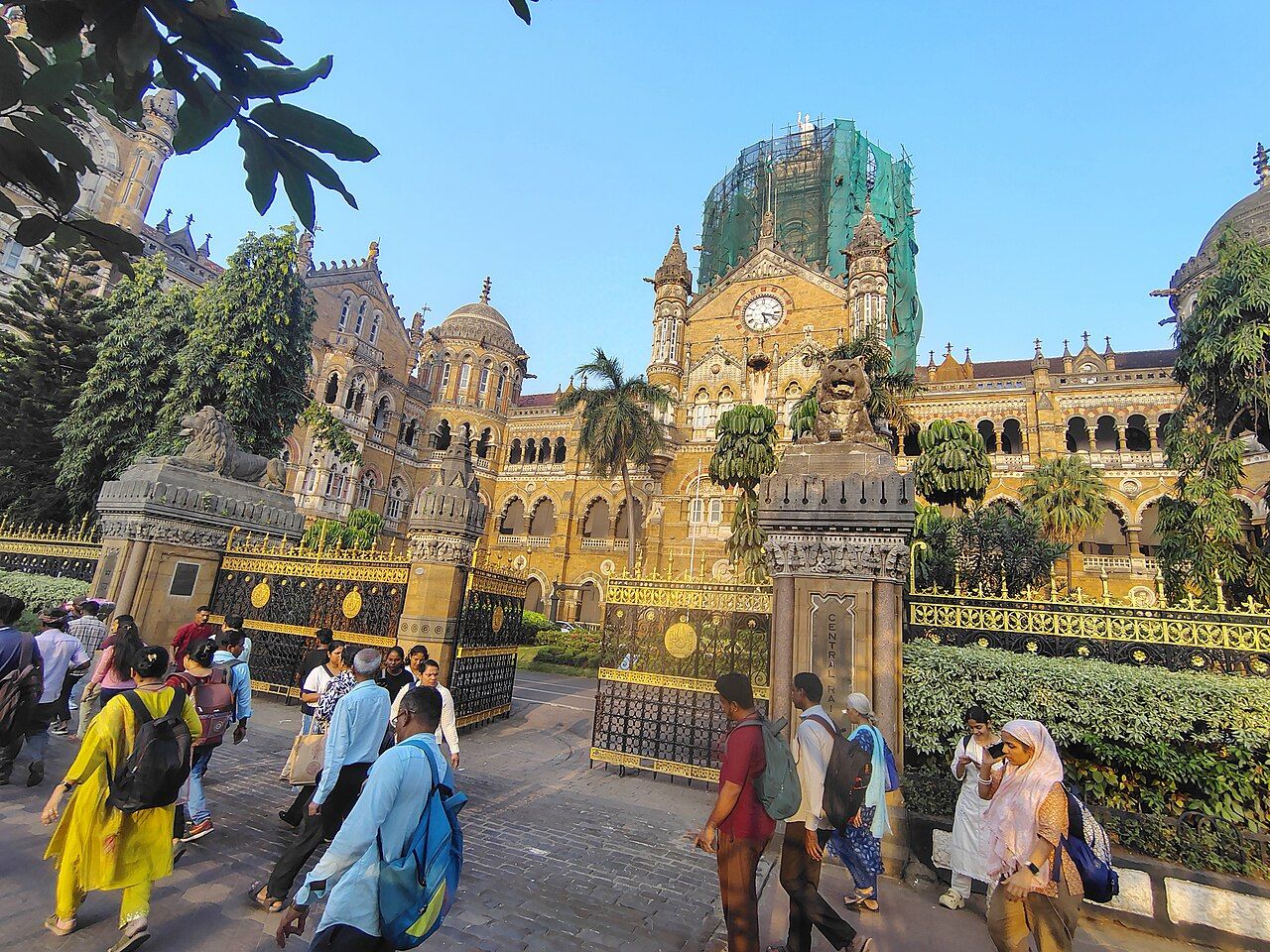
Chhatrapati Shivaji Maharaj Terminus, still widely called by its old name, Victoria Terminus, or simply VT, is one of the great railway stations of the world. Completed in 1888, it is a riot of Victorian Gothic stonework, Indian domes, carved animals and stained glass, and it is a UNESCO World Heritage Site. It is also a working terminus that handles huge crowds of commuters every day.
You can see the facade from the street, and the main concourse is open to anyone. A heritage gallery inside offers a look at the history of the building; check opening times before you go.
From CSMT, walk south through the Fort district, named after the British fort that once stood here. The streets are lined with Victorian buildings that now house banks, offices and courts. Look for Flora Fountain at Hutatma Chowk, the Bombay High Court and the Rajabai Clock Tower of the University of Mumbai, all within a few minutes of each other.
Connecting city: Dubai from the creek
At the edge of the Fort district is the Oval Maidan, a long stretch of grass where cricket matches take place every day. On one side are Victorian Gothic buildings; on the other, a row of Art Deco apartment blocks. Together they form another UNESCO World Heritage Site. Nearby, the Kala Ghoda arts district has galleries and the city's main museum, the Chhatrapati Shivaji Maharaj Vastu Sangrahalaya, worth an hour or two for its collection of sculpture and miniature paintings.
The Gateway of India
At the end of the peninsula, the Gateway of India is a basalt arch built on the waterfront in the early twentieth century to commemorate a royal visit. It was finished in 1924. The square in front of it is busy throughout the day, with hawkers, photographers and families. Security checks are normal at the entrance to the square.
Ferries leave from the jetties beside the Gateway for Elephanta Island, where cave temples carved into the rock hold a huge three-headed sculpture of Shiva. The trip takes at least half a day, including the boat ride of around an hour each way, so it only fits if you have a very long layover.
The streets of Colaba, behind the Gateway, are good for a walk, with markets and street stalls. The pavements are crowded and uneven, and crossing the road takes care, so allow more time than the distances on a map suggest.
Marine Drive at dusk
Marine Drive is a long, curving promenade along the sea on the west side of south Mumbai, lined with Art Deco buildings. At night, the street lights along the curve give it the nickname Queen's Necklace. In the evening, the sea wall fills with people sitting and watching the sunset.
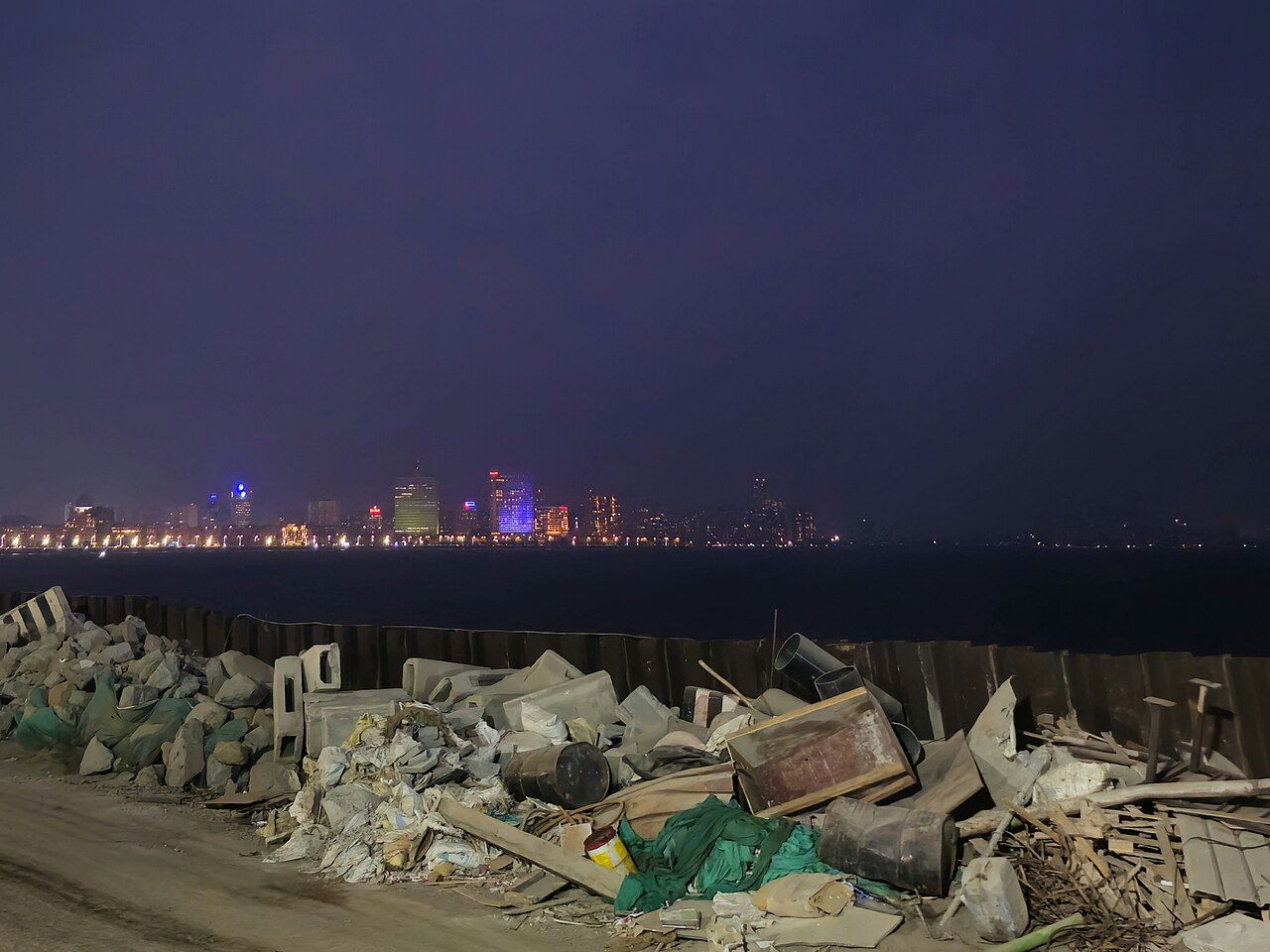

The northern end, near Chowpatty beach, is the busiest. Works for the coastal road have changed parts of the seafront, so expect construction in places.
Weather and what to skip
The monsoon, roughly from June to September, brings very heavy rain that can flood streets and stop trains. If you are passing through then, keep plans short and close. November to February is the most comfortable time.
On a stopover, skip the northern suburbs, Bollywood studio tours and the long drive to the Sanjay Gandhi National Park. Focus on the south: CSMT, the Fort district, the Gateway and Marine Drive. If you are flying on, see how a stopover works in Dubai from the creek, an old trading port with close links to Mumbai, or in Shanghai from the Bund, another city where the colonial waterfront is the place to start.
Next stop: Tokyo in a stopover