Tokyo in a stopover
Haneda puts you in the city fast, Narita does not. Either way, a shrine, a temple and one good walk fit into a long layover if you keep the plan small.
- City
- Tokyo
- Airport to centre
- Haneda about 30 minutes; Narita an hour-plus
- Getting in
- Train from Haneda or Narita
- Bring
- Coin-locker change, comfortable shoes, a transit card
Stopover note Entry rules vary by passport. Leave the city at least three hours before an international departure, more from Narita.
Tokyo is the easiest big city in Asia to use badly on a stopover. The trains are fast and the stations are clear, so it is tempting to try to see everything. The city is also enormous, and every change of line costs ten minutes you do not notice until you are running for your flight. The answer is to choose one side of the city, see two or three things properly, and leave with time in hand.
Which airport you land at changes everything
Tokyo has two main airports and they are not equal for a stopover. Haneda sits on the bay, close to the city. Trains on the Keikyu line and the Tokyo Monorail reach central stations in roughly half an hour, and from there the rest of the network opens up. A six-hour layover at Haneda can genuinely include the city.
Narita is a different proposition. It lies well out in Chiba, and even the fast trains, the Narita Express into Tokyo Station and the Keisei Skyliner into Ueno, take around an hour before you have done anything. Add immigration on the way out and security on the way back, and a short Narita layover leaves very little city time. For Narita, think in terms of eight hours or more before leaving the airport makes sense.
- Under six hours, Narita: stay airside, or take a short walk in Narita town near the airport instead of going into Tokyo.
- Six to ten hours, Haneda: one area of the city, chosen in advance.
- Overnight or longer: two areas, with time to eat properly.
Whether you can leave the airport at all depends on your passport. Many nationalities can enter Japan without a visa for short stays, but not all, and the rules are revised from time to time. Check before you fly, and carry your onward booking in case you are asked for it.
Meiji Jingu: the quiet start
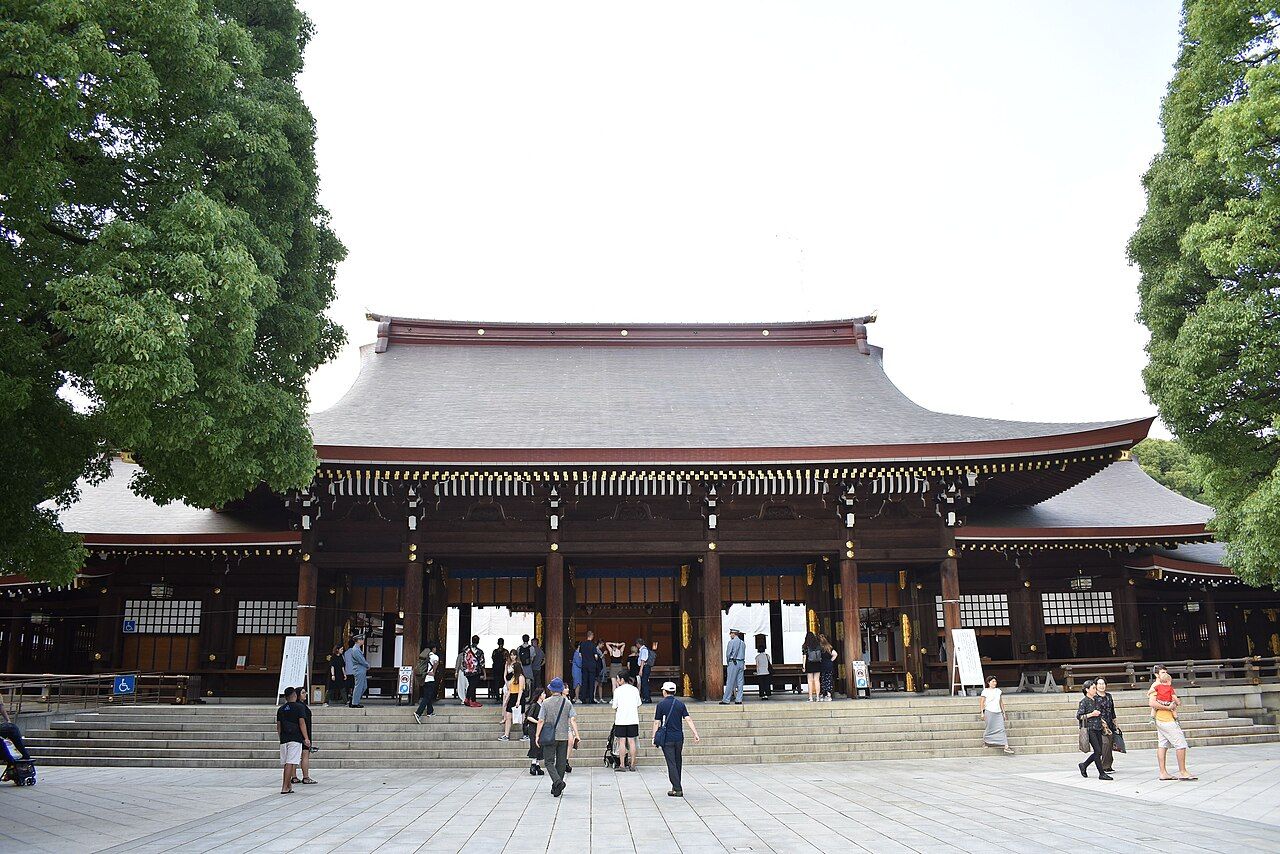
Meiji Jingu is the shrine to the Emperor Meiji and Empress Shoken, set in a large planted forest beside Harajuku station. The walk in from the giant wooden torii gate takes about ten minutes along wide gravel paths, and the noise of the city drops away almost at once. The main hall, with its cypress timbers and copper roof, stands in a broad paved courtyard.
Allow an hour for the shrine, more if you sit for a while. It opens at sunrise and closes around sunset, with the exact times shifting by season, so an early-morning arrival works well here. Photography is fine in the grounds; keep the camera down inside the hall and follow the simple rinse-and-bow etiquette at the purification basin if you approach to pray.
Harajuku and Omotesando are right outside, and Shibuya is one stop south on the Yamanote line. The scramble crossing at Shibuya is worth a few minutes on the way past, best seen from above at one of the station's upper walkways, but it is not worth building a day around.
Senso-ji and Asakusa: the old east side
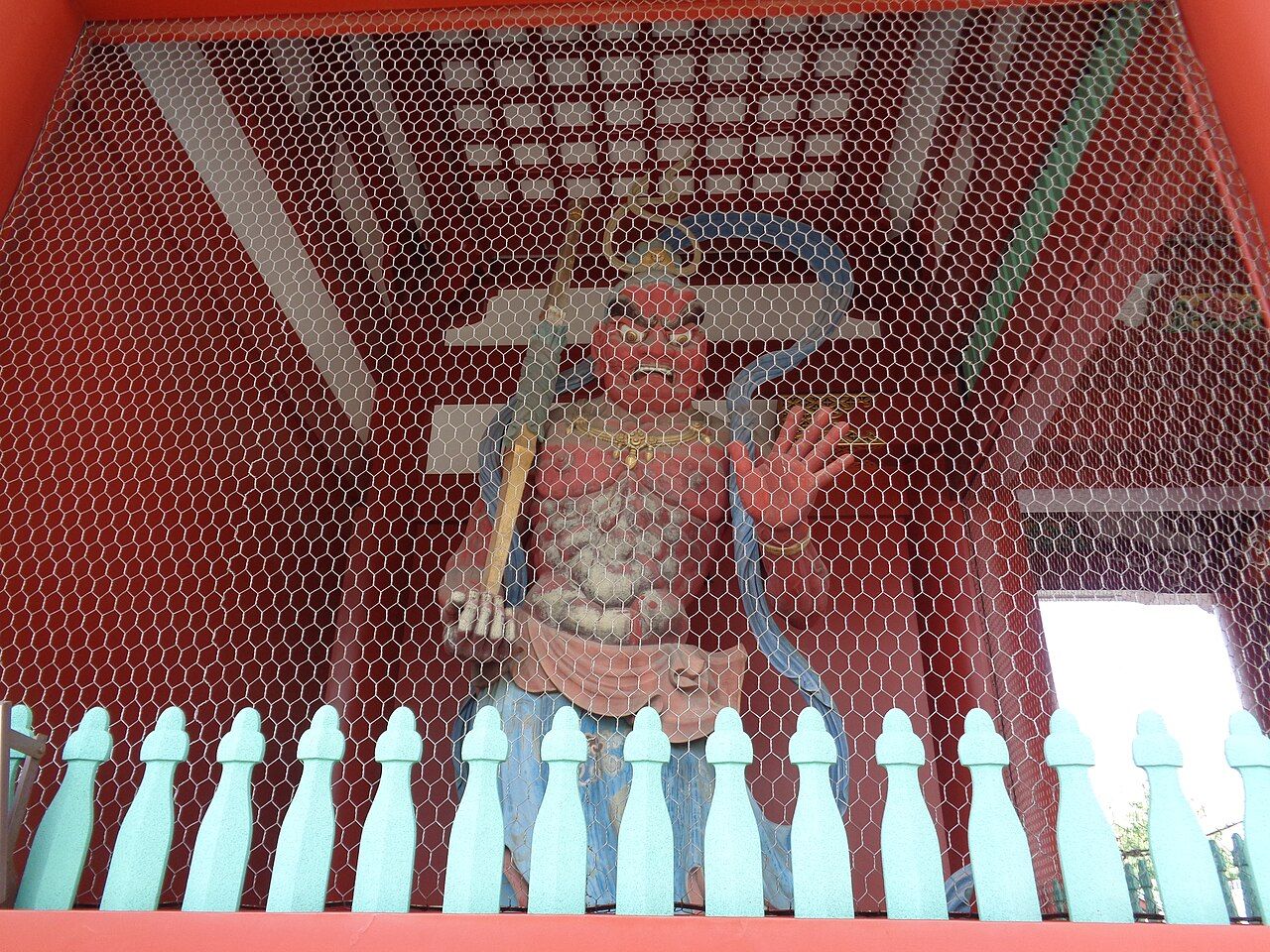
Across the city in Asakusa, Senso-ji is Tokyo's oldest temple and the busiest. You enter under the Kaminarimon, the Thunder Gate with its enormous red lantern, and walk up Nakamise-dori, a long lane of small stalls selling snacks and souvenirs, to the Hozomon gate and the main hall. Fierce guardian figures stand in the gate niches behind protective mesh, and incense smoke drifts from a large burner in front of the hall.

Senso-ji is open grounds, so you can walk through at any hour, though the halls and most stalls keep daytime hours. Mid-morning is the most crowded time. Early or after dark the temple is calmer and the buildings are lit.
Connecting city: Seoul between flights
From Asakusa, the Sumida River is a block away, with a riverside path and a clear view of the Tokyo Skytree on the far bank. Ueno, with its park and the Tokyo National Museum, is a few stops away on the Ginza line, which makes Asakusa a sensible pick for a Narita layover on the Skyliner, since the line terminates at Ueno.
Choose one side of the city, see it properly, and leave with time in hand.
Building a day that fits
The mistake is to treat Meiji Jingu and Senso-ji as a pair. They are on opposite sides of central Tokyo, about forty minutes apart by train, and each deserves more than a quick look. Choose one side of the city, see it properly, and leave with time in hand.
| Layover | West side plan | East side plan |
|---|---|---|
| Six to eight hours, Haneda | Meiji Jingu, then a walk down Omotesando | Senso-ji and Nakamise-dori, then the Sumida riverside |
| Eight to twelve hours | Add Shibuya and a long lunch | Add Ueno Park and the Tokyo National Museum |
| Overnight | Both sides, one each day, with an evening walk in between | |
A rechargeable transit card makes the whole thing smoother: you tap in and out of trains, subways and many buses without working out fares. They are sold at airport stations. Coin lockers at most large stations take carry-on bags, though big suitcases may not fit, and some airports offer left-luggage counters in the arrivals hall.
Food is the easy part. Station buildings and side streets near every stop are full of small counters serving noodles, rice bowls and set lunches, and convenience stores sell decent rice balls and sandwiches if you only have ten minutes. Tipping is not expected.
What to skip, and getting back
Skip anything that needs a long transfer. Mount Fuji, Kamakura and Nikko are fine day trips but not for a layover; the rail time alone eats most of the day and the return is easy to underestimate. Skip the big observation towers too if your time is short, as queues can be long. The view from the shrine forest or the riverside is more Tokyo than any glass box.
Rush hour is real. Between roughly seven and nine in the morning, and again in the early evening, the central lines are packed and carrying a bag is difficult. Plan your return to the airport outside those windows if you can.
For an international flight, aim to be back at the airport at least two and a half to three hours ahead from Haneda, and longer from Narita, given the train time. Immigration lines on departure vary a lot by hour. If you are flying on through Asia, a stop in Hong Kong or Taipei pairs well: shorter airport journeys, and a very different feel.
Quick checklist before you leave the airport:
- Confirm you can enter on your passport, and that your onward flight time has not changed.
- Stow bags you do not need, or check them through if you can.
- Set an alarm for when to start heading back, and keep to it.
A Tokyo layover done this way is calm rather than frantic: one forested shrine or one old temple, a walk, a bowl of noodles, and a train back with time to spare.
Next stop: Seoul between flights